Are you looking for reliable information about the Special Supplemental Nutrition Program for Women, Infants, and Children? Often known simply as the WIC program, this federal initiative provides essential support to millions of families. With recent updates extending into 2026, understanding how WIC eligibility and benefits work can help you secure nutritious food and vital health resources for your household.
Table of Contents
What is the WIC Program?
The WIC program is a federally funded public health initiative designed to safeguard the health of low income women, infants, and children up to age five who are at nutritional risk. By providing access to healthy food, education on nutrition, breastfeeding support, and healthcare referrals, WIC ensures that young children get a strong, healthy start in life.
Research consistently shows that participating in the WIC program leads to healthier pregnancies, improved infant health, and stronger school performance. As of 2026, the program continues to serve millions of eligible individuals across the country.
WIC Eligibility Rules for 2026
To qualify for WIC benefits, applicants must meet specific requirements across four main categories.
1. Categorical Eligibility
You or a family member must fall into one of the following categories:
- Pregnant women.
- Postpartum women up to six months after birth.
- Breastfeeding women up to one year after birth.
- Infants up to their first birthday.
- Children up to their fifth birthday.
Fathers, grandparents, and foster parents can also apply for WIC benefits on behalf of the children in their care.
2. Residential Eligibility
Applicants must live in the state where they are applying. You do not need to be a United States citizen to receive WIC assistance.
3. Income Eligibility Guidelines
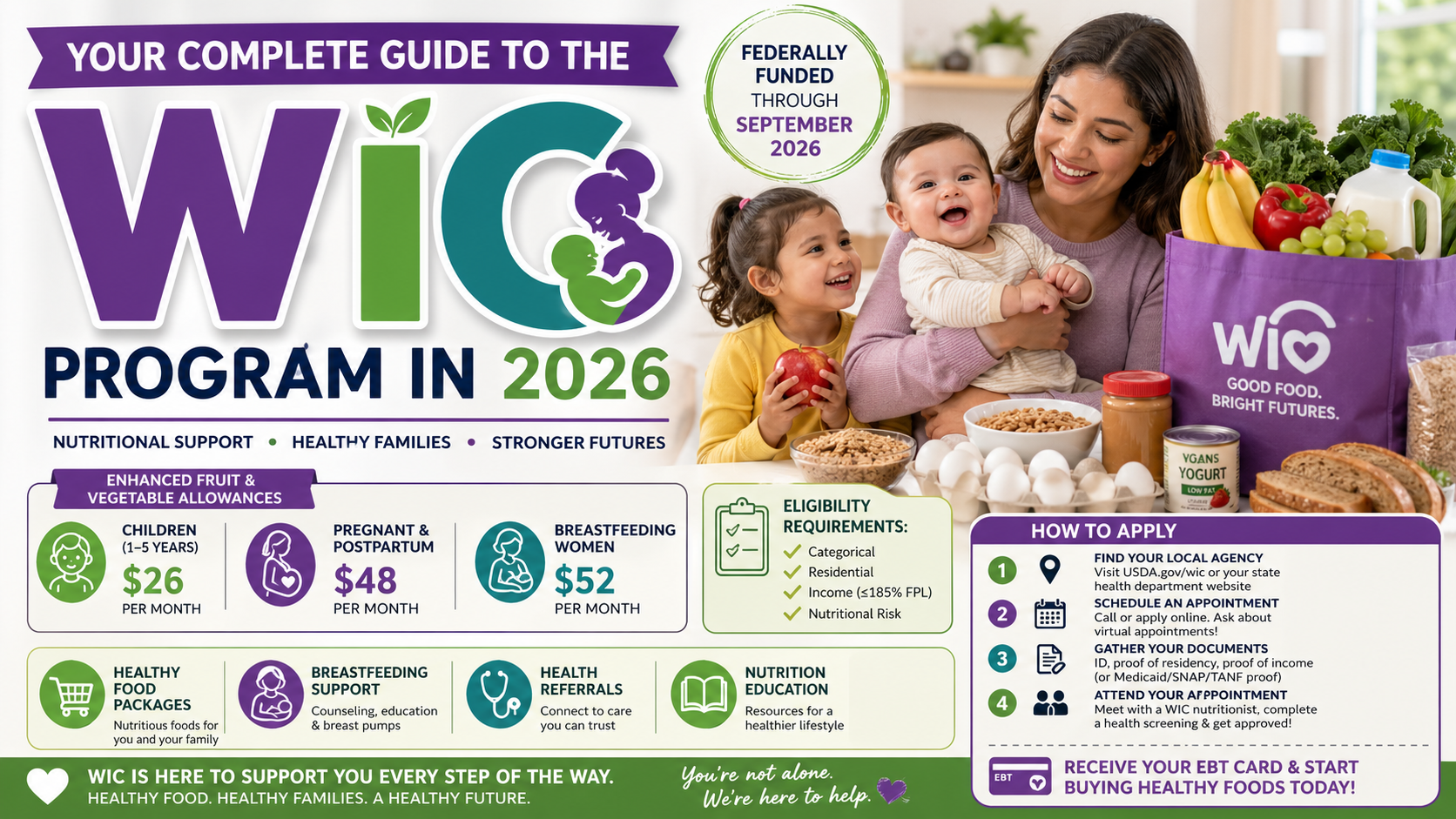
To qualify, your household income must fall at or below 185 percent of the Federal Poverty Income Guidelines. For the period spanning July 2025 through June 2026, the annual income limit for a family of four is $59,478. For a family of three, the limit is $49,303.
If you already participate in programs like Medicaid, the Supplemental Nutrition Assistance Program (SNAP), or Temporary Assistance for Needy Families (TANF), you automatically meet the income requirements for WIC.
4. Nutritional Risk
Applicants must be seen by a health professional to determine if they are at nutritional risk. This assessment is often provided free of charge at your local WIC clinic and checks for conditions like anemia, poor growth, or inadequate dietary patterns.
Exploring WIC Benefits in 2026
The WIC program provides a variety of resources designed to improve public health. The core benefits include the following elements.
Nutritious Food Packages
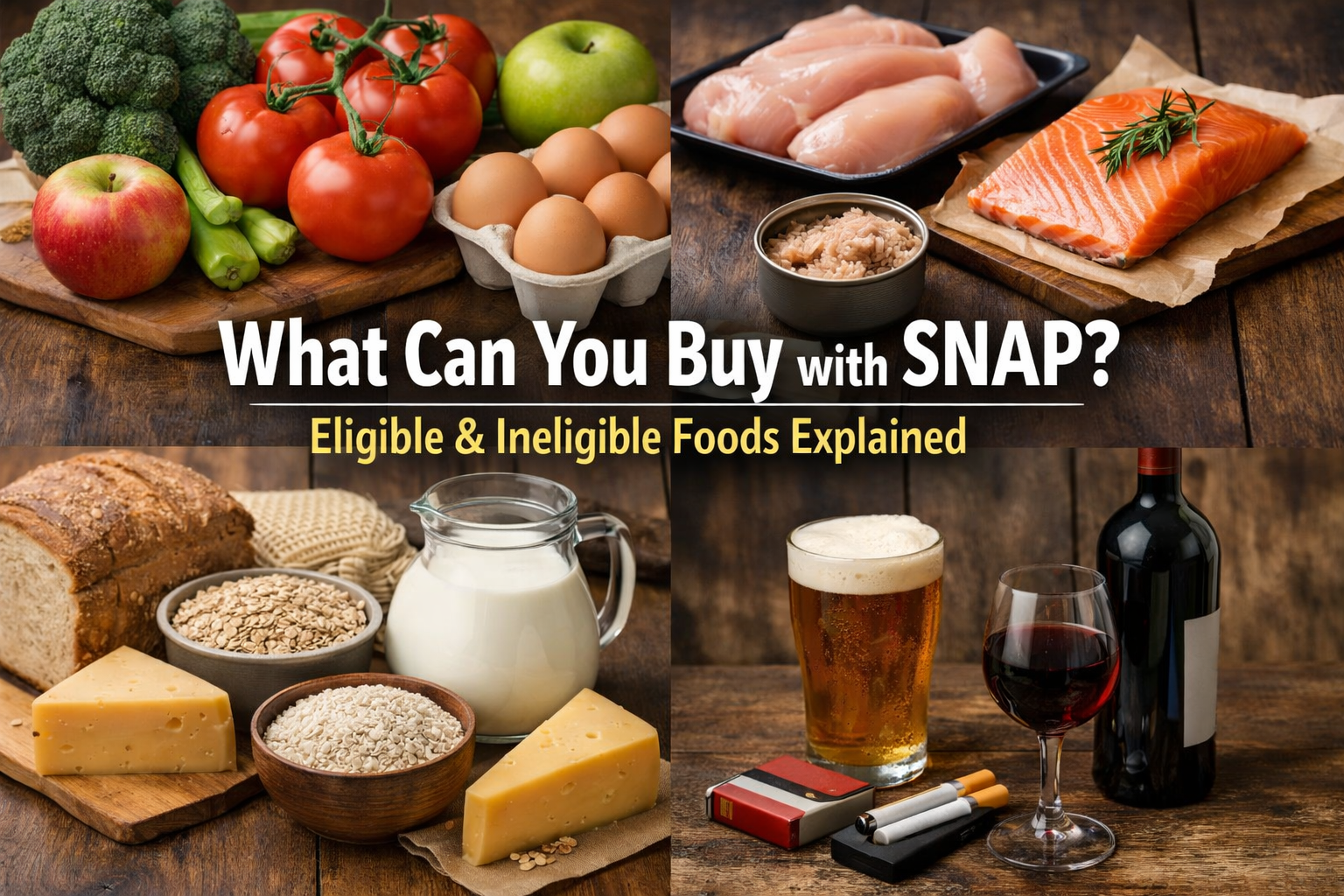
WIC provides monthly EBT benefits to purchase specific healthy foods. The 2026 food packages include items rich in protein, calcium, iron, and essential vitamins. Common approved foods include:
- Milk, cheese, and yogurt.
- Whole grains like brown rice, oatmeal, and whole wheat bread.
- Cereal and eggs.
- Peanut butter and beans.
- Infant formula and baby food.
Enhanced Fruit and Vegetable Allowances
A major highlight for the 2026 fiscal year is the continued funding for expanded fruit and vegetable benefits. Current monthly allowances provide:
- $26 for children
- $48 for pregnant and postpartum participants
- $52 for breastfeeding participants.
This allows families to purchase a wider variety of fresh, frozen, or canned produce.
Breastfeeding Support
The WIC program heavily promotes breastfeeding as the optimal nutrition source for infants. Participants receive counseling, educational materials, and access to breast pumps. Mothers who fully breastfeed also receive the largest and most comprehensive food packages.
Important Policy Updates for 2026
The federal government has fully funded the WIC program through September 2026, ensuring that all eligible families who apply will receive benefits without interruption.
Another key focus for 2026 is the continuation of virtual services. Many states now offer phone and video appointments, making it easier for working families and those in rural areas to complete their health assessments and receive nutrition education without traveling to a clinic.
How to Apply for WIC
The application process is straightforward. Here are the steps to get started:
- Find Your Local Agency: Visit the official USDA Food and Nutrition Service website or your state department of health website to locate the nearest WIC clinic.
- Schedule an Appointment: Call your local office or check if your state offers an online application portal. Be sure to ask if a virtual appointment is available.
- Gather Your Documents: You will need to provide proof of identity, proof of residency, and proof of income. If you receive Medicaid or SNAP, bring proof of your active enrollment.
- Attend Your Appointment: A WIC nutritionist will review your documents, conduct a brief health screening, and discuss your dietary needs.
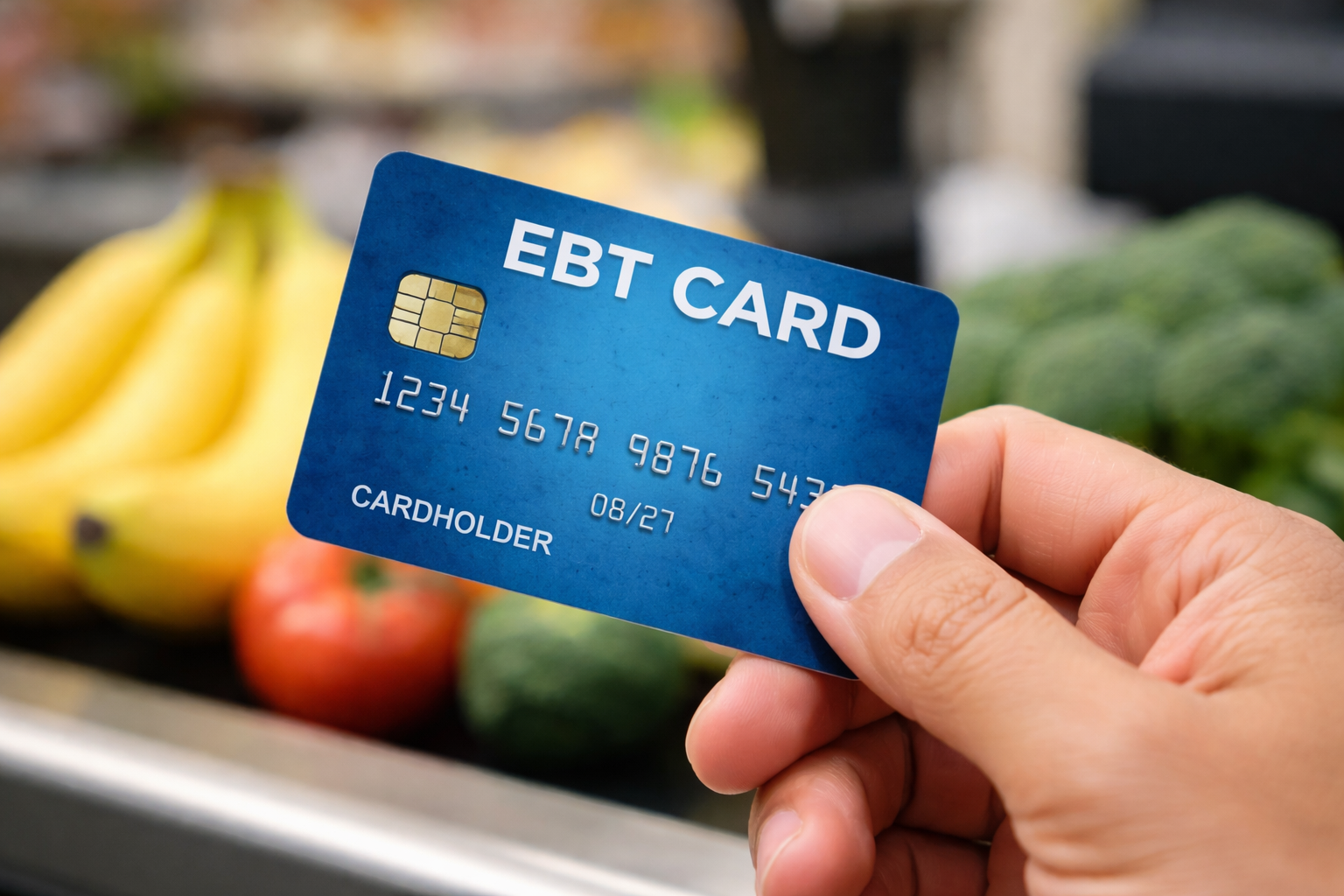
Once approved, you will receive an Electronic Benefit Transfer (EBT) card to easily purchase your approved WIC foods at participating grocery stores.
Conclusion
The WIC program remains a vital cornerstone of family health and nutrition in 2026. If you meet the eligibility criteria, do not hesitate to reach out to your local clinic. Applying for WIC is a proactive step toward ensuring that you and your children have the nutritious food and community support necessary to thrive.
Frequently Asked Questions
What does WIC stand for?
WIC stands for the Special Supplemental Nutrition Program for Women, Infants, and Children, a federal program that provides nutrition assistance and health support to eligible families.
Who qualifies for the WIC program in 2026?
Pregnant women, postpartum women, breastfeeding mothers, infants, and children up to age five may qualify if they meet income, residency, and nutritional risk requirements.
Do I need to be a U.S. citizen to receive WIC benefits?
No, U.S. citizenship is not required. However, you must live in the state where you apply.
What is the income limit for WIC in 2026?
Income must be at or below 185% of the federal poverty level. For example, a family of four can earn up to $59,478 annually (2025–2026 guidelines).
Can I get WIC if I already receive other benefits?
Yes. If you participate in programs like Medicaid, SNAP, or TANF, you are automatically income-eligible for WIC.
Is breastfeeding support included in WIC?
Yes, WIC provides breastfeeding counseling, educational resources, and access to breast pumps. Fully breastfeeding mothers receive enhanced food benefits.
Can fathers or guardians apply for WIC?
Yes, fathers, grandparents, and foster parents can apply on behalf of eligible children in their care.
How are WIC benefits distributed?
Benefits are provided through an Electronic Benefit Transfer (EBT) card, which can be used at authorized grocery stores.