- Site-Specific Subsidy: Unlike a standard voucher, this assistance is tied to a specific apartment unit. If you move out, the financial benefit remains with the property for the next eligible tenant.
- Income-Linked Rent: Monthly payment is generally capped at 30% of adjusted gross income.
Affordable housing is a critical need for millions of individuals and families. Among the various government programs designed to help, Project-Based Section 8 stands out as a reliable and essential option for low-income earners, the elderly, and people with disabilities. If you are looking into housing assistance programs, understanding exactly how this specific initiative works is a great first step.
What is Project-Based Section 8 ?
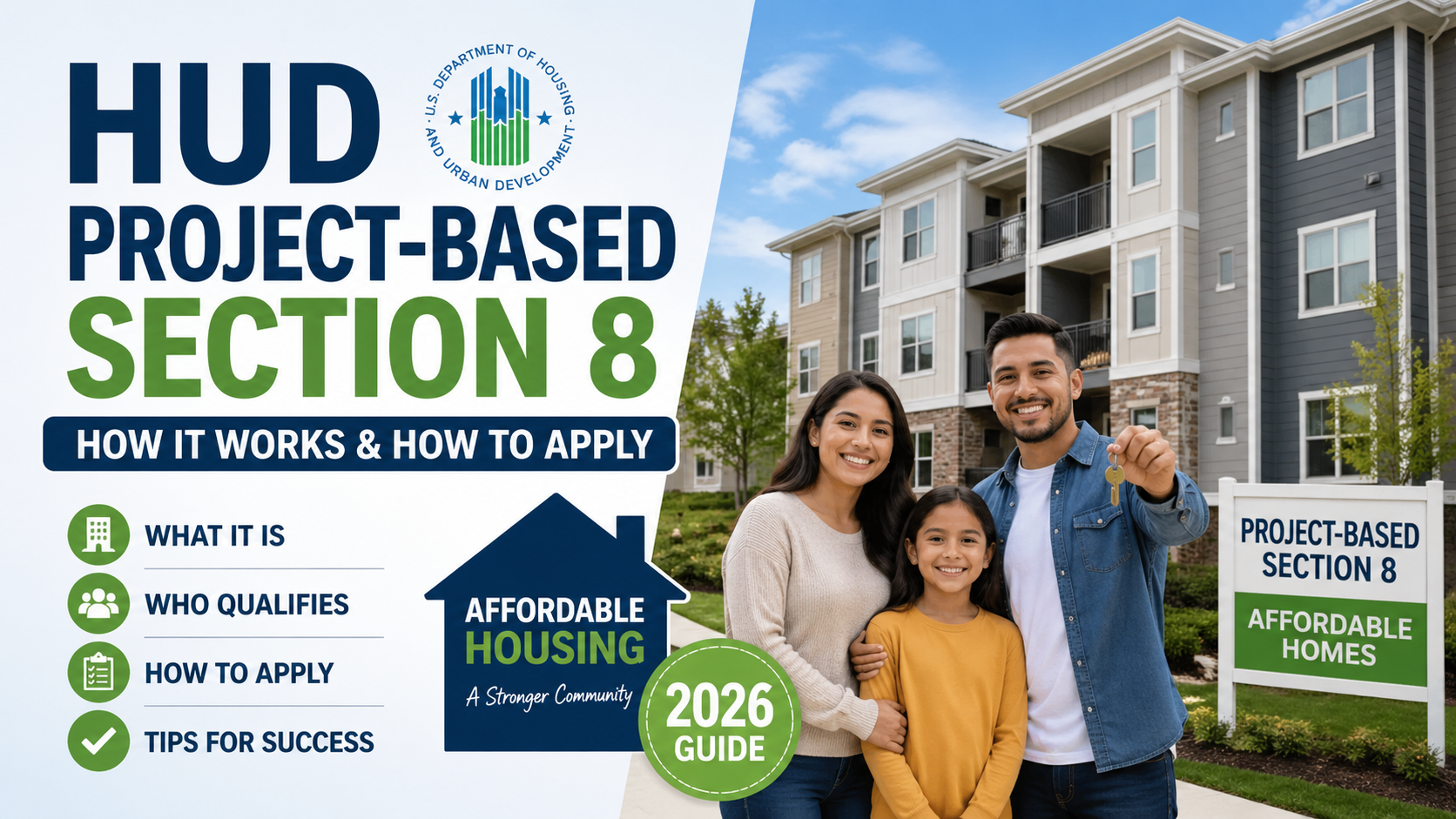
Project-Based Section 8 is a rental assistance program funded by the U.S. Department of Housing and Urban Development (HUD). To understand it best, it helps to compare it to the more widely known Housing Choice Voucher program (Section 8).
With a standard Housing Choice Voucher, the rental subsidy belongs to the tenant. The tenant can take that voucher and find any private landlord willing to accept it.
Project-Based Section 8 works differently. In this program, the subsidy is tied directly to a specific rental unit or property. HUD contracts directly with private property owners who agree to rent their units to eligible low-income tenants. If you live in one of these units, you receive the rental discount.
However, if you decide to move out of that specific apartment complex, the rental assistance stays with the apartment for the next tenant.
How is Rent Calculated?
The primary goal of Project-Based Section 8 is to ensure that housing is genuinely affordable.
Under this program, tenants generally pay 30 percent of their adjusted monthly gross income toward rent and utilities. HUD pays the remaining balance directly to the property owner. This income-based approach provides a massive safety net. If a tenant experiences a sudden loss of income or reduced work hours, their portion of the rent can be adjusted downward to reflect their new financial reality.
Key Benefits of the Program
Living in a project-based unit offers several distinct advantages for residents:
- Financial Security: Because rent is capped at a percentage of your income, you are protected from sudden rent hikes that often happen in the private market.
- Long-Term Stability: As long as you comply with your lease terms and continue to meet the income eligibility requirements, you can remain in your home indefinitely.
- Quality Standards: Property owners must undergo regular inspections. They are required to maintain the buildings to HUD’s strict safety, sanitary, and structural standards in order to keep their government funding.
The Application Process
Because the funding is tied to specific buildings, the application process is unique. You do not apply for a centralized voucher through your local Public Housing Authority. Instead, you must apply directly with the property management office of the specific apartment communities that offer Project-Based Section 8 units.
Here are a few tips for the application phase:
- Locate Properties: You can find lists of participating properties through the official HUD website or by contacting local housing advocacy groups.
- Apply Widely: Waitlists for these units are incredibly common and can sometimes take years to clear. It is highly recommended to apply to multiple participating properties simultaneously to increase your chances of securing a home.
- Keep Information Updated: If your contact information or income changes while you are on a waitlist, notify the property managers immediately so you do not miss an opening.
Conclusion
Project-Based Section 8 provides a vital safety net for those who need safe and affordable housing. By tying the subsidy directly to the building, the program creates dedicated, long-term affordable communities. While the waitlists can be lengthy, the financial stability and peace of mind provided by an income-based rent structure make it a highly valuable resource for families and individuals in need.