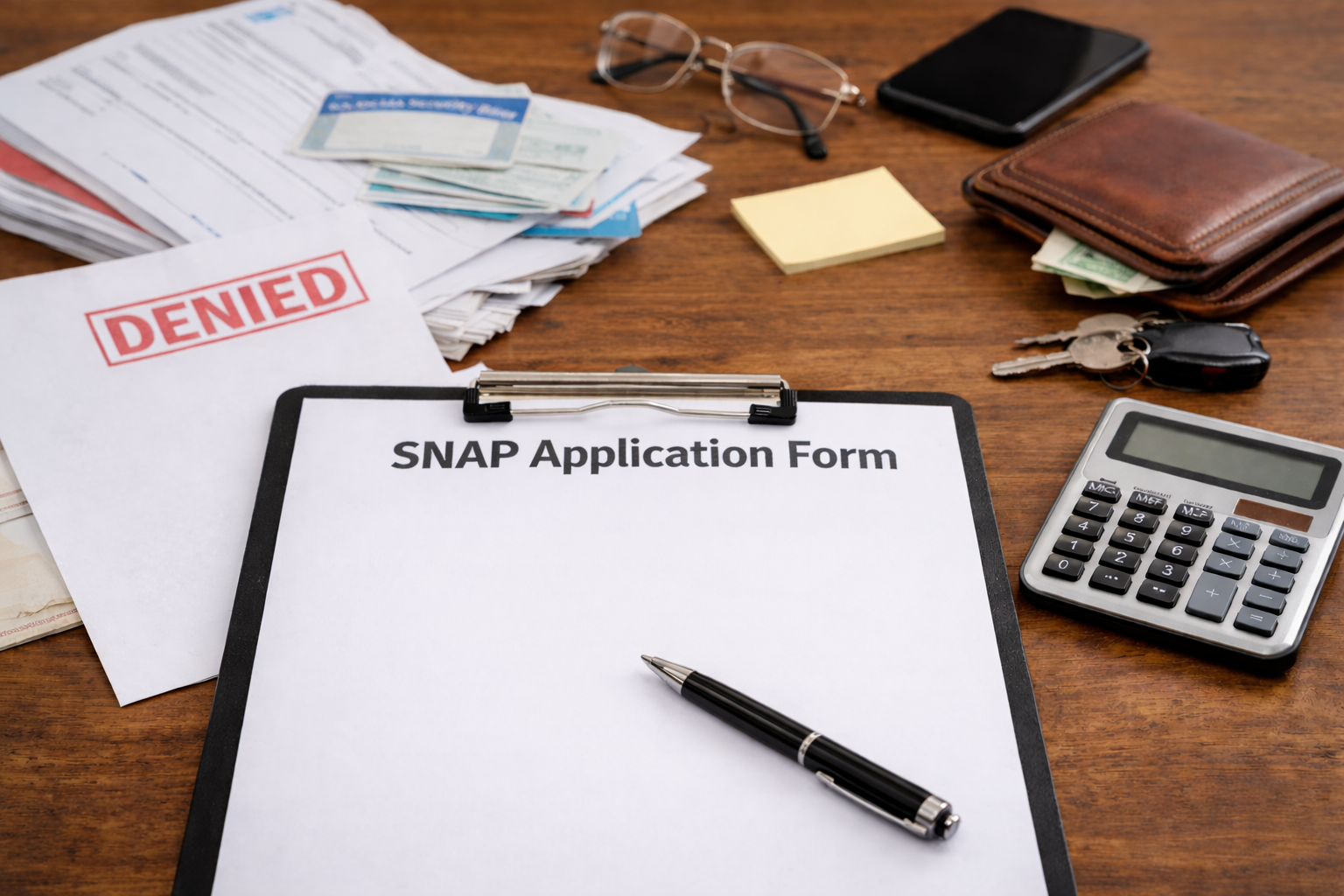
- Small errors on a SNAP application can lead to delays, requests for more information, or denial
- Most application issues come from missing details, incorrect income reporting, or missed deadlines
- Providing clear, accurate, and complete information improves approval chances
- Responding quickly to follow up requests helps keep the application on track
- Keeping copies and staying organized can prevent problems later in the process
Applying for Supplemental Nutrition Assistance Program (SNAP) benefits can be a major help for households facing rising food costs. However, many applications are delayed or denied due to avoidable mistakes. Understanding these common issues can improve your chances of approval and reduce processing time.
Below are the top ten SNAP application mistakes to avoid when submitting your information.
Mistake 1: Providing Incomplete Information
Many SNAP applications are delayed simply because required fields are left blank.
When sections of the application are incomplete, caseworkers cannot fully evaluate eligibility. This often leads to requests for additional information or processing delays, and in some cases, denial.
What to Watch For
- Missing household member details
- Skipped income or expense sections
- Unanswered yes or no questions
Always review the application carefully before submission to ensure all required sections are completed accurately.
Mistake 2: Reporting Incorrect Income Amounts
Income reporting errors are one of the most common reasons SNAP applications are denied or delayed.
Applicants must report gross income and include all sources, even if the amounts seem small or temporary. Discrepancies between reported income and verified records can trigger follow-up requests or corrections.
Common Income Errors
- Reporting net pay instead of gross pay
- Forgetting part-time, seasonal, or temporary work
- Leaving out benefits, tips, or support payments
Accurate income reporting helps determine both eligibility and the correct benefit amount.
Mistake 3: Failing to Include All Household Members
SNAP eligibility is based on household composition, generally defined as people who live together and purchase or prepare food together.
Leaving out a household member can affect income limits and benefit calculations and may result in additional review.
Household Details Often Missed
- Children who split time between homes
- Elderly relatives living in the household
- Non-relatives who regularly share meals
Household rules can vary slightly by state, so it’s important to follow your state’s guidance when listing members.
Mistake 4: Missing Verification Deadlines
After submitting an application, most applicants are asked to provide verification documents.
If required documents are not submitted within the timeframe listed on official notices, the application may be denied, even if the household would otherwise qualify.
Documents Commonly Requested
- Proof of income
- Proof of identity
- Housing and utility expenses
Responding promptly helps prevent unnecessary delays.
Mistake 5: Uploading Unclear or Incomplete Documents
Unreadable or incomplete documents can significantly slow down application processing.
Caseworkers must be able to clearly view and verify all submitted paperwork.
Tips for Submitting Documents
- Ensure images are clear and legible
- Upload all pages of multi-page documents
- Avoid glare, shadows, or cropped edges
Clear documentation reduces back-and-forth requests.
Mistake 6: Not Reporting Changes After Applying
Some changes must be reported after submitting a SNAP application, depending on state rules and reporting requirements.
Changes in income, household size, or living expenses may affect eligibility or benefit amounts.
Changes That May Need to Be Reported
- Starting or losing a job
- Someone moving in or out of the household
- Changes in rent or utility costs
Reporting requirements vary by state and household type, so follow the instructions provided in your notices.
Mistake 7: Assuming Ineligibility Without Applying
Many people never apply for SNAP because they assume they won’t qualify.
Eligibility rules are often more flexible than expected, particularly for households with children, seniors, or people with disabilities.
Common Misunderstandings
- Assuming income is too high without checking current limits
- Believing part-time work automatically disqualifies eligibility
- Thinking home ownership prevents approval
Submitting an application is the only way to receive an official determination.
Mistake 8: Ignoring Interview Requirements
Some SNAP applications require an interview, typically conducted by phone and usually brief.
If an interview is required and missed, the application may be denied, even if all documents were submitted.
Interview Preparation Tips
- Answer calls from unknown numbers during processing
- Schedule callbacks promptly if a call is missed
- Keep documents nearby for reference
Not all households require interviews, but it’s important to respond if one is scheduled.
Mistake 9: Using Outdated Information
SNAP eligibility rules, income limits, and procedures can change over time and vary by state.
Relying on outdated information from friends, social media, or past experiences can lead to mistakes.
Better Sources of Information
- Official application instructions
- Recent benefit notices
- Current state-specific guidance
Always use the most up-to-date information available.
Mistake 10: Not Keeping Copies of Submitted Materials
Many applicants do not save copies of their application or supporting documents.
Keeping records can be helpful if documents need to be resubmitted or if questions arise during processing.
What to Save
- Application confirmation numbers
- Copies of uploaded documents
- Notices or letters received
Maintaining records helps protect you throughout the application process.
Bottom Line
Avoiding these common SNAP application mistakes can help reduce delays and unnecessary stress. Careful preparation, accurate reporting, and timely follow-up all play an important role in moving your application through the process smoothly.