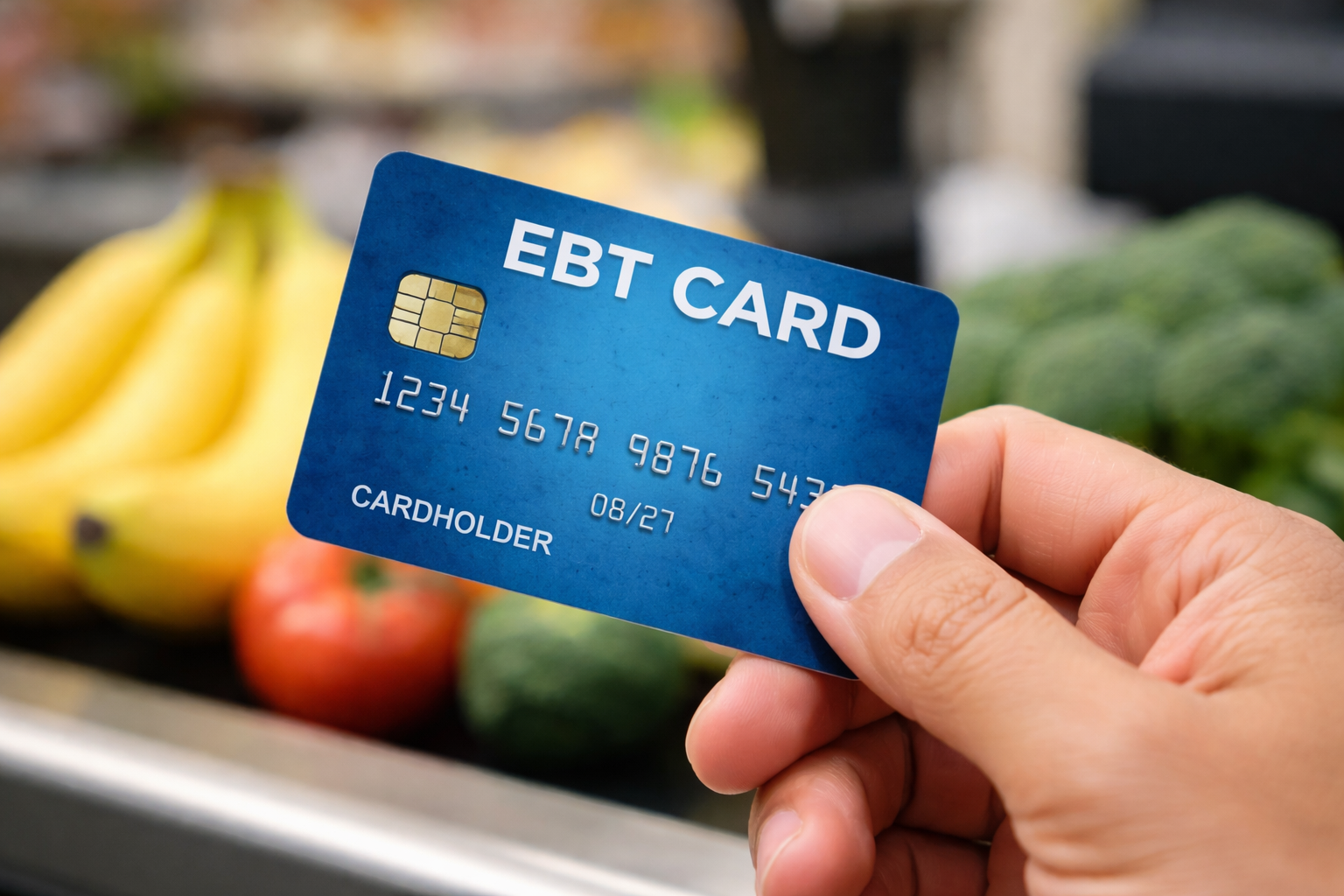
An EBT card plays a central role in how nutrition assistance is delivered today. It functions much like a debit card, allowing approved households to access benefits with speed, dignity, and accountability.
Understanding how the EBT card works helps recipients, retailers, and the public better appreciate how food assistance is administered.
Table of Contents
What Is an EBT Card
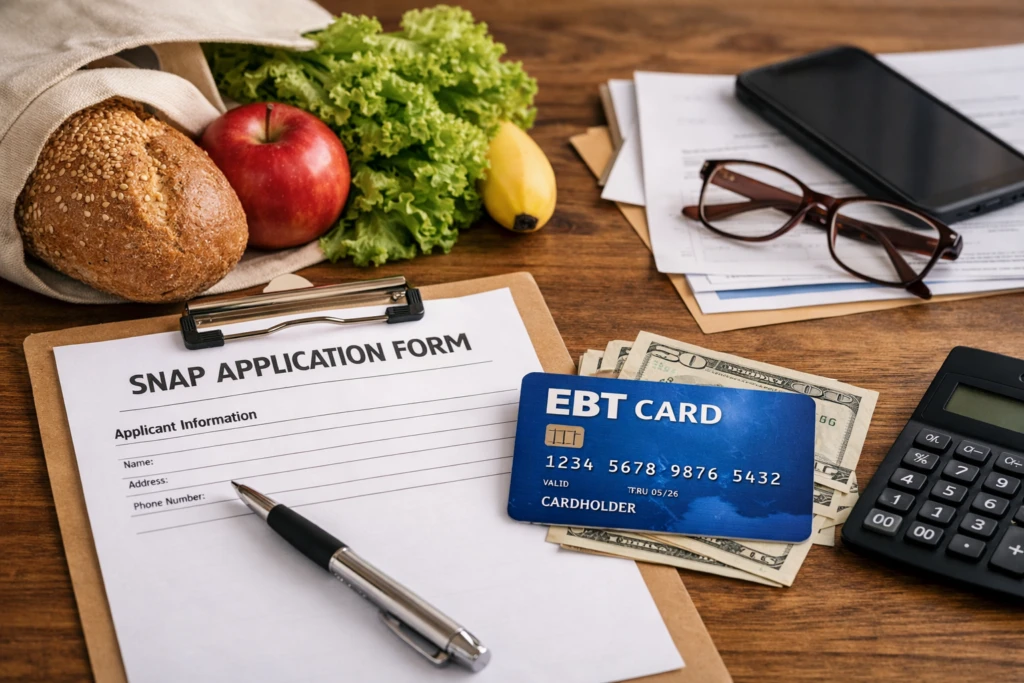
An EBT card, short for Electronic Benefits Transfer card, is a payment card issued by state agencies to distribute public assistance benefits.
Instead of receiving paper coupons, eligible households receive monthly benefits loaded electronically onto the card. This system improves efficiency, reduces administrative costs, and offers a shopping experience similar to other card-based payments.
Programs That Use EBT Cards
EBT cards are primarily associated with nutrition assistance programs.
The most widely known program using EBT is Supplemental Nutrition Assistance Program, which provides food benefits to qualifying individuals and families. In some states, other assistance programs also use the same card system.
How an EBT Card Works
The EBT card operates through a secure electronic payment network.
Each month, benefits are deposited into the cardholder’s account. When the card is used at checkout, the purchase amount is deducted from the available balance, much like a bank debit card.
Using the Card at Stores
EBT cards can be used at grocery stores, supermarkets, and approved retailers.
At checkout, the cardholder swipes or inserts the card and enters a personal identification number. Only eligible food items are approved, and non-eligible items must be paid for using another payment method.
What You Can and Cannot Buy
EBT benefits are intended strictly for food purchases.
The guidelines are designed to ensure assistance supports household nutrition rather than non-food expenses.
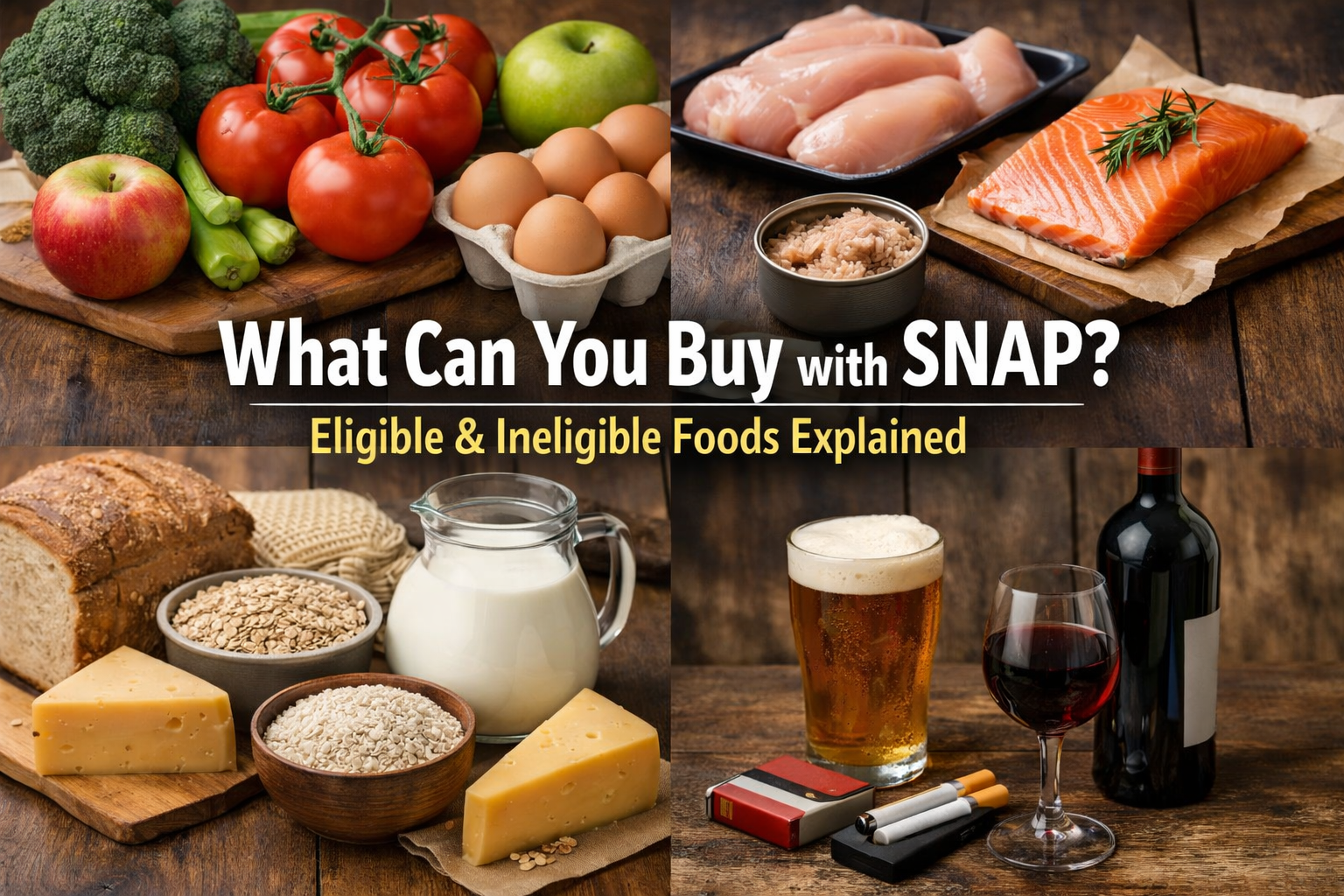
Eligible Purchases
Approved items generally include foods meant for home preparation and consumption.
- Fruits and vegetables
- Meat, poultry, and fish
- Dairy products
- Bread and cereals
- Seeds and plants that produce food
Ineligible Purchases
Certain items are not allowed under program rules.
- Alcohol and tobacco
- Hot prepared foods in most cases
- Vitamins and medicines
- Household supplies and personal care items
Security and Fraud Prevention
EBT cards include safeguards to protect benefits.
Cardholders use a confidential PIN, and transaction monitoring helps identify unusual activity. These measures reduce fraud and help ensure benefits are used as intended.
What to Do If a Card Is Lost or Stolen
If an EBT card goes missing, it should be reported immediately.
State agencies can deactivate the card and issue a replacement. Prompt reporting helps prevent unauthorized use of remaining benefits.
Benefits of the EBT System
The EBT system modernized how assistance is delivered.
It improves accuracy, speeds up benefit delivery, and reduces stigma by allowing recipients to shop like any other customer.
Impact on Households and Retailers
For households, EBT provides reliable access to food benefits.
For retailers, it simplifies transactions and standardizes payment processing across locations, making participation easier and more consistent.
Final Thoughts
The EBT card is more than a payment tool. It is a key part of how nutrition assistance reaches millions of households each month. By combining convenience, security, and accountability, the EBT system supports access to food while maintaining clear rules and oversight.
Frequenlty Asked Questions
What is an EBT card in the US?
An Electronic Benefit Transfer (EBT) card is a government-issued debit-type card used in the U.S. to provide public assistance benefits, such as SNAP food assistance or TANF cash benefits, directly to recipients.
What is the full form of EBT?
EBT most commonly stands for Electronic Benefits Transfer. It is a secure, electronic system used by government agencies to provide benefits (like SNAP/food stamps) to recipients via a debit-type card, which can be used to purchase food and essential items at authorized retailers.